





Price: $7.63
(as of Aug 14, 2026 04:11:33 UTC – Details)

Creamy Arborio Rice Risotto Recipe
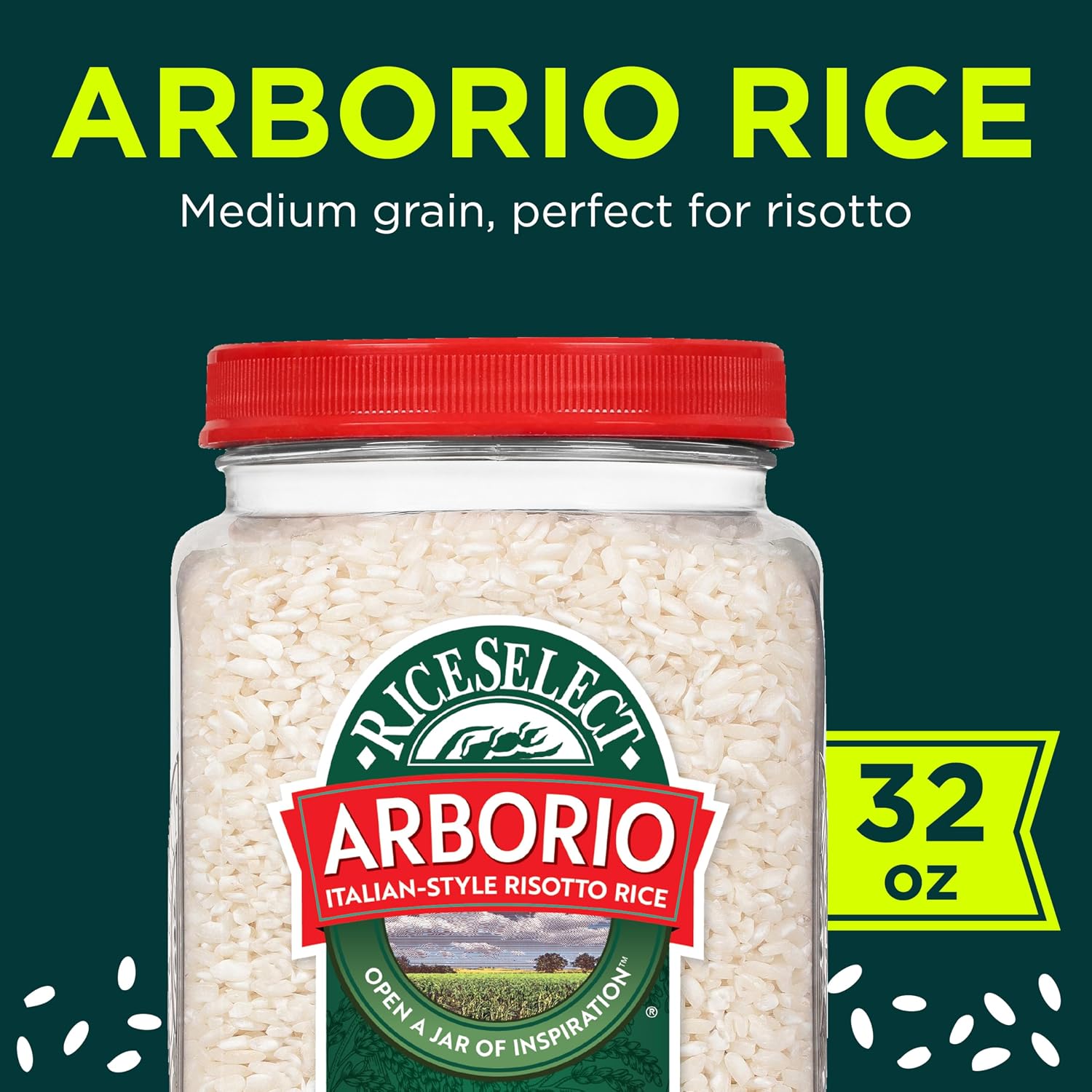
Arborio Risotto Rice, Premium Rice for Italian Risotto | Italian-style rice is one of the easiest ways to turn a few simple ingredients into a creamy, comforting, restaurant-style meal. Made with high-starch Arborio rice, warm broth, Parmesan cheese, butter, and a few fresh ingredients, this classic Italian-inspired dish has a wonderfully creamy texture while the rice remains pleasantly al dente.
Whether you are making risotto for a family dinner, a special occasion, or simply want to try something new in the kitchen, Arborio rice is an excellent choice. Its medium-grain shape and naturally high starch content help create the signature silky texture that makes risotto so delicious.
Table of Contents
- What Is Arborio Rice?
- Why Is Arborio Rice Best for Risotto?
- Creamy Arborio Rice Risotto Recipe
- Ingredients
- How to Make Arborio Rice Risotto
- Tips for Perfect Risotto
- Arborio Rice Risotto Variations
- What to Serve With Risotto
- How to Store and Reheat Risotto
- Frequently Asked Questions
What Is Arborio Risotto Rice, Italian-style ?
Arborio rice is a short- to medium-grain Italian-style rice that is especially popular for making risotto. Compared with ordinary long-grain rice, Arborio contains a higher amount of starch.
When the rice is slowly cooked with warm broth and stirred regularly, that starch is released into the cooking liquid. The result is the rich, creamy consistency that traditional risotto is known for.
Unlike many rice dishes where you want every grain to remain completely separate, risotto should have a creamy consistency. At the same time, properly cooked Arborio rice should retain a slight firmness in the center. This is known as al dente.
Arborio rice can also be used in dishes such as rice pudding, arancini, creamy rice salads, and other recipes where a naturally creamy texture is desirable.
Why Is Best for Arborio Risotto Rice?
The key to a great risotto is the rice. Arborio is particularly well suited because of its starch content and texture.
As the rice slowly absorbs warm broth, it releases starch into the liquid. Instead of producing fluffy, separate grains, the cooking process creates a creamy sauce that surrounds each grain of rice.
For the best result, avoid rinsing Arborio rice before cooking it. Washing the rice can remove some of the surface starch that helps give risotto its characteristic creamy texture.
Creamy Arborio Risotto Rice Recipe
This classic Arborio rice risotto is creamy, savory, rich, and surprisingly simple to prepare. You can serve it as a main dish or pair it with vegetables, chicken, seafood, or roasted meat.
Recipe Information
Prep Time: 10 minutes
Cook Time: 25–30 minutes
Total Time: About 40 minutes
Servings: 4
Cuisine: Italian-inspired
Course: Main Dish / Side Dish
Ingredients
- 1 ½ cups Arborio rice
- 5–6 cups chicken or vegetable broth
- 2 tablespoons olive oil
- 3 tablespoons unsalted butter, divided
- 1 small yellow onion, finely chopped
- 2 cloves garlic, minced
- ½ cup dry white wine, optional
- ¾ cup freshly grated Parmesan cheese
- ½ teaspoon salt, or to taste
- ¼ teaspoon freshly ground black pepper
- 1 tablespoon chopped fresh parsley
- 1 tablespoon chopped fresh basil, optional
- Extra Parmesan cheese for serving
Optional Add-Ins
You can customize this basic risotto with your favorite ingredients. Consider adding:
- Sautéed mushrooms
- Fresh spinach
- Green peas
- Roasted asparagus
- Cooked chicken
- Shrimp
- Scallops
- Sun-dried tomatoes
- Roasted butternut squash
- Fresh herbs
- Lemon zest
How to Make Arborio Risotto Rice
Step 1: Warm the Broth
Pour the chicken or vegetable broth into a saucepan and place it over low heat.
Keep the broth warm throughout the cooking process. You do not want it to boil aggressively, but it should remain hot enough that adding it to the rice does not dramatically reduce the cooking temperature.
Keeping the broth warm is one of the simple secrets to making consistently creamy risotto.
Step 2: Sauté the Onion
Place a large, heavy-bottomed skillet or saucepan over medium heat.
Add the olive oil and 1 tablespoon of butter. Once the butter has melted, add the chopped onion.
Cook for approximately 3–4 minutes, stirring occasionally, until the onion becomes soft and translucent. Add the minced garlic and cook for another 30–60 seconds.
Be careful not to brown the garlic.
Step 3: Toast the Arborio Rice
Add the Arborio rice directly to the pan with the onion and garlic.
Stir the rice continuously for about 1–2 minutes. Toasting the rice helps develop its flavor and allows the grains to become lightly coated with the oil and butter.
Do not rinse the Arborio rice before adding it.
Step 4: Add the Wine
If you are using white wine, pour it into the pan and stir.
Allow the wine to simmer until most of the liquid has evaporated. This usually takes about 1–2 minutes.
The wine adds acidity and depth of flavor, but you can skip it and use broth instead if you prefer a non-alcoholic version.
Step 5: Add the Warm Broth Gradually
This is the most important part of making risotto.
Add approximately ½ to 1 cup of warm broth to the rice. Stir gently and allow the rice to absorb most of the liquid before adding more.
Continue adding the broth gradually, one ladle at a time.
Keep stirring frequently, but you do not need to stir aggressively or constantly. The goal is to encourage the rice to release starch while preventing it from sticking to the bottom of the pan.
Continue this process for approximately 18–25 minutes.
Step 6: Check the Texture
Taste the rice as it cooks.
Perfect Arborio rice risotto should be creamy and tender while still having a slight firmness in the center.
If the rice is still too firm, continue adding small amounts of warm broth and cooking until it reaches the desired consistency.
The finished risotto should be creamy enough to slowly spread across a plate rather than standing in a stiff mound.
Step 7: Add Butter and Parmesan
Once the rice has reached the right texture, remove the pan from the heat.
Stir in the remaining 2 tablespoons of butter and the grated Parmesan cheese.
Season with salt and freshly ground black pepper.
For an especially creamy result, cover the pan and allow the risotto to rest for 1–2 minutes before serving.
Step 8: Garnish and Serve
Spoon the risotto into warm bowls.
Top with additional Parmesan cheese and fresh parsley or basil.
Serve immediately while the risotto is hot and creamy.
Tips for Perfect Arborio Risotto Rice
1. Use warm broth
Cold broth can interrupt the cooking process. Keep your broth warm in a separate saucepan while preparing the rice.
2. Don’t rinse the rice
The starch on Arborio rice is important. It helps create the creamy texture that makes risotto different from ordinary rice dishes.
3. Add broth gradually
Do not pour all of the broth into the pan at once. Adding it gradually gives the rice time to absorb the liquid while releasing starch.
4. Don’t overcook the rice
Risotto should be creamy but not mushy. Look for a tender grain with a slight bite in the center.
5. Use good-quality Parmesan
Freshly grated Parmesan generally melts more smoothly and provides better flavor than pre-grated alternatives.
6. Serve immediately
Risotto thickens quickly after cooking. For the best texture, serve it as soon as it is finished.
Arborio Risotto Rice Variations
One of the best things about a basic risotto recipe is how easy it is to customize.
Mushroom Risotto
Sauté sliced mushrooms separately and fold them into the risotto near the end of cooking. Cremini, button, shiitake, or mixed wild mushrooms can all work well.
Chicken Risotto
Add cooked, diced chicken during the final few minutes of cooking. Use chicken broth for additional savory flavor.
Shrimp Risotto
Cook peeled shrimp separately and add them near the end so they remain tender. Lemon zest and fresh parsley make an excellent finishing combination.
Vegetable Risotto
Add peas, asparagus, spinach, roasted peppers, zucchini, or other vegetables for a colorful vegetarian meal.
Lemon Parmesan Risotto
For a bright variation, add fresh lemon zest and a small amount of lemon juice after cooking. Combine it with Parmesan and fresh herbs.
Butternut Squash Risotto
Roasted butternut squash pairs beautifully with Arborio rice. Add the roasted squash toward the end of cooking and finish with Parmesan and fresh sage.
What to Serve With Risotto
Creamy risotto can be served as a main dish or side dish.
For a complete dinner, pair it with:
- Roasted chicken
- Grilled shrimp
- Baked salmon
- Sautéed vegetables
- Roasted asparagus
- Green salad
- Grilled steak
- Garlic bread
A simple green salad with a light vinaigrette can provide a refreshing contrast to the rich and creamy rice.
How to Store and Reheat Risotto
Risotto is best when eaten immediately, but leftovers can be refrigerated in an airtight container.
Allow the risotto to cool and refrigerate it promptly. When reheating, add a small amount of broth or water and warm it gently in a saucepan over medium-low heat.
Stir occasionally until the rice becomes creamy again.
You can also transform leftover risotto into arancini, traditional-style crispy rice balls. Form the chilled risotto into small balls, add cheese if desired, coat them with breadcrumbs, and cook until golden and crisp.
Frequently Asked Questions
Is Arborio rice the same as risotto rice?
Arborio is one of the most popular varieties used to make risotto, but “risotto rice” can refer to several short- or medium-grain varieties suitable for the dish. Arborio is widely available and is an excellent choice for home cooks.
Should Arborio rice be washed before cooking?
For risotto, it is generally best not to rinse Arborio rice. The surface starch helps create the creamy consistency associated with risotto.
How much liquid does Arborio rice need?
A typical risotto uses considerably more liquid than ordinary rice. The broth is added gradually as the rice absorbs it. Start with approximately 5 cups of broth for 1½ cups of Arborio rice and keep additional warm broth available as needed.
Why is my risotto not creamy?
Several factors can cause this. You may have used too little liquid, added the liquid too quickly, rinsed the rice, or stopped cooking before enough starch was released. Using Arborio rice and adding warm broth gradually can help produce a creamier result.
Can I make Arborio rice without wine?
Yes. Wine is optional. Simply replace it with a small amount of additional broth.
Can Arborio rice be used for rice pudding?
Yes. Because Arborio rice contains plenty of starch, it can produce a naturally creamy texture in desserts such as rice pudding.
Final Thoughts
A good Arborio rice risotto recipe does not require complicated ingredients. The secret is patience: keep the broth warm, add it gradually, stir regularly, and allow the rice to reach its ideal creamy yet al dente texture.
The versatility of Arborio rice also means you can easily create your own version. Try mushrooms and herbs for an earthy dinner, roasted vegetables for a vegetarian option, shrimp and lemon for a lighter meal, or Parmesan and butter for a simple classic.
With its naturally creamy texture and ability to absorb the flavors of broth, vegetables, herbs, cheese, and proteins, Arborio rice is a dependable pantry staple for creative home cooking.
Once you master the basic technique, you can experiment with different ingredients and make risotto your own. Serve it fresh, finish it with Parmesan and herbs, and enjoy a comforting dish that brings restaurant-style flavor straight to your kitchen.
Leave a Reply